Join our community of over 350K+

Capsular Contracture Treatment at Vivify

Capsular contracture is one of the most common reasons patients seek breast revision. It happens when scar tissue around an implant tightens and squeezes it, changing how the breast feels and looks. The American Society of Plastic Surgeons reports that roughly one in six augmentation patients experiences some degree of capsular contracture. At Vivify, board-certified plastic surgeon Dr. Dallas Buchanan corrects it and restores comfort.

Woman holding breasts

What Is Capsular Contracture?

After any breast augmentation, your body naturally forms a thin capsule of scar tissue around the implant. This is normal. Capsular contracture develops when that capsule thickens and contracts, compressing the implant. The breast can then feel firm, sit too high, or look distorted. It can occur even when the original surgery was done correctly.


What Are the Symptoms of Capsular Contracture?

Patients often describe the earliest sign as a breast that feels firmer or tighter than before. Common symptoms include:

  • A breast that feels hard, firm, or tight
  • An implant that sits high on the chest
  • A round, ball-like, or misshapen appearance
  • Asymmetry, where one side looks or feels different from the other
  • Pain, tenderness, or discomfort, especially with movement

These changes can be subtle at first and become more noticeable over time.

What Causes Capsular Contracture?

There is rarely one single cause. Most cases are thought to come from a mix of biological and surgical factors, including:

  • Low-grade bacterial film (biofilm) on the implant surface
  • Fluid or blood collection, such as a hematoma or seroma, after surgery
  • Implant rupture or silicone leakage
  • A personal tendency toward thick scar tissue
  • Prior radiation therapy to the chest

Capsular contracture is not caused by anything you did wrong. It reflects how your body responds to an implant over time.

Banner media

What Are the Grades of Capsular Contracture?

Surgeons measure capsular contracture using the Baker grading scale, which runs from mild to severe:

  • Grade I: the breast stays soft and looks natural
  • Grade II: the breast feels slightly firm but looks normal
  • Grade III: the breast feels firm and looks distorted
  • Grade IV: the breast is hard, painful, and clearly misshapen

Grades III and IV usually call for surgery, while milder cases may only need monitoring.

How Is Capsular Contracture Treated?

Treatment depends on how advanced the contracture is. For significant cases, Dr. Buchanan typically removes the tightened scar capsule in a procedure called a capsulectomy, then exchanges or repositions the implant. He may also change the implant pocket to lower the chance of it returning. Milder cases are sometimes managed without surgery. Your options are reviewed fully during a breast revision consultation.

Banner media

Can Capsular Contracture Come Back?

Yes. Once you have had capsular contracture, you may be at higher risk of it returning, even after revision surgery. Choosing a board-certified plastic surgeon, following your aftercare instructions, and attending follow-up visits all help lower that risk. Some patients also choose implant removal instead of replacement.

Doctor media

Why Choose Dr. Buchanan for Capsular Contracture in Tampa?

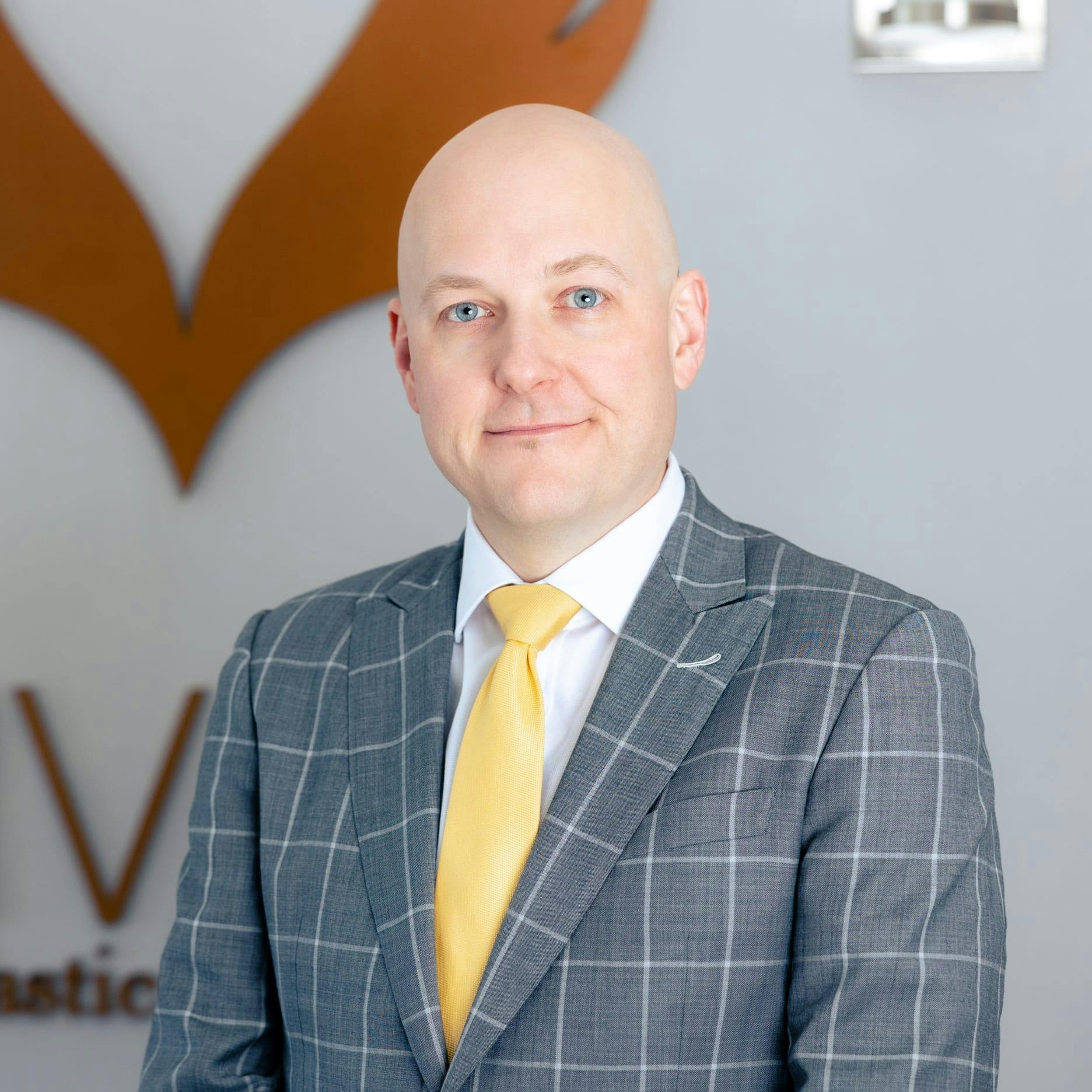
Correcting capsular contracture takes more skill than a first-time augmentation, because both the scar tissue and the implant position have to be addressed. Dr. Dallas Buchanan is a board-certified plastic surgeon and Fellow of the American College of Surgeons who performs revision breast surgery in Vivify's accredited on-site operating room. You can view results in the gallery.

Schedule a Capsular Contracture Consultation at Vivify Today

If your implant feels hard, tight, or looks different than it used to, do not wait. Contact Vivify to schedule a consultation with Dr. Buchanan and find the right path to relief.

Your journey starts hereYour premier plastic surgery & medspa

This field is required.
Submit
Contact us media Contact us media

*REAL PATIENT

Accessibility: If you are vision-impaired or have some other impairment covered by the Americans with Disabilities Act or a similar law, and you wish to discuss potential accommodations related to using this website, please contact our Accessibility Manager at 813-644-3798.