
Before & After: Liposuction in Tampa




Warning:
This gallery contains nudity. Please click OK to confirm you are at least 18 years of age and are not offended by this material.
Ok

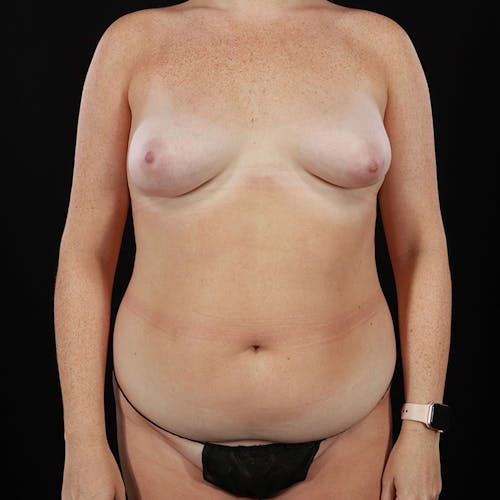
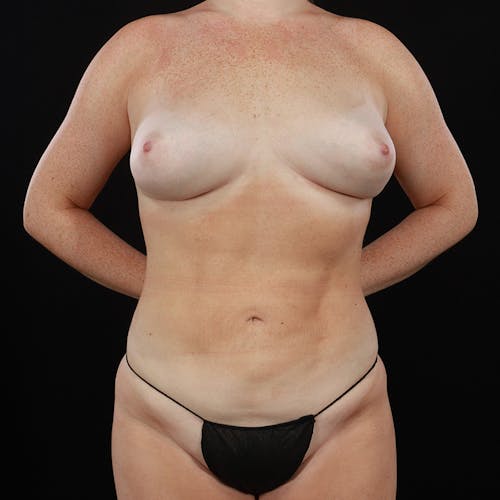
Liposuction in Tampa (also known as liposculpture or lipoplasty) is a surgical procedure that removes excess fat and reshapes the body’s contours to achieve a more refined figure. Common treatment areas include the stomach, hips, thighs, abs, waist, and more. During the procedure, a thin tube called a cannula is attached to a vacuum to remove stubborn fat deposits resistant to diet and exercise. While liposuction effectively targets these areas, it’s important to remember that it is not a weight loss solution. Ideal candidates are at or near their ideal body weight and not obese (BMI >30). Additionally, liposuction does not tighten or remove excess skin, so areas with skin laxity may require alternative or additional treatments for optimal results

At VIVIFY Plastic Surgery & Medspa in Tampa, we understand that achieving your ideal body contours can be challenging, even with diet and exercise. Our expert team, led by Dr. Dallas Buchanan, is committed to helping you sculpt the shape you’ve always desired through advanced liposuction techniques. Here’s why patients choose VIVIFY for their body contouring journey:
This gallery contains nudity. Please click OK to confirm you are at least 18 years of age and are not offended by this material.
Ok
*Real Patient
When receiving Liposuction in Tampa, it is typically most effective on areas that store the most body fat, such as the:
However, liposuction can also be utilized on other areas of the body such as:

*Real Patient
As with all surgical procedures, there are risks associated with liposuction. Soreness, bruising, inflammation, contour deformities, and swelling are common side effects that should disappear with time. More serious complications can include:
Following post-procedure care instructions will greatly reduce the risk of adverse side effects. Dr. Buchanan is happy to answer any questions you may have regarding these risks and others not listed. We believe that it is very important for you to feel at ease with this procedure prior to moving forward.
Prices starting at $7,000
The cost of liposuction in Tampa can vary depending on the complexity of your case. Health insurance companies typically do not cover this surgery because it is considered a cosmetic enhancement procedure.
Several factors can influence the cost of liposuction, including:
The total cost of the procedure may include:
In addition to the main surgery costs, there may be other fees to keep in mind, such as:







How long does liposuction take on average?
Are the results of liposuction permanent?
How much weight can you lose with liposuction?
How do you prepare for liposuction surgery?
Will I have visible scarring after liposuction?
Can liposuction help with cellulite or stretch marks?
What type of anesthesia is used during liposuction?
Can liposuction be reversed or redone if I’m unhappy with the results?
How soon can I return to work after liposuction?
Will the fat removed by liposuction come back elsewhere on my body?
The exact length of your liposuction procedure will depend on the area(s) being treated. Typically, though, the surgery takes between 30 minutes and an hour to complete.
The fat cells removed during liposuction will never return, and the effects of the procedure tend to be long-lasting. That said, it is possible for new fat to accumulate in the area, so maintaining a healthy lifestyle and stable weight are important for the longevity of your results.
Liposuction is not intended to be a weight-loss procedure, and most patients don’t lose more than a few pounds with the surgery. To be an ideal candidate for liposuction, you should already be relatively close to your ideal body weight and able to maintain a healthy lifestyle.
Before your liposuction procedure, your surgeon will give you specific instructions to prepare for the surgery. Typically, preparation for liposuction requires some or all of the following steps: - Undergoing lab testing and/or a medical evaluation - Stopping or adjusting certain medications - Avoiding smoking - Avoiding drinking alcohol - Enlisting the help of a friend or family member for your recovery period - Preparing a comfortable recovery area in your home
Liposuction does require a small incision, which means that there may be visible scarring after the procedure. However, Dr. Buchanan will be sure to make this incision as small and inconspicuous as possible. You’ll also be given instructions after the procedure to ensure that your scarring fades over time.
No, liposuction is not designed to treat cellulite or stretch marks. While it effectively removes stubborn fat deposits, it does not significantly improve skin texture or elasticity. If you're concerned about cellulite or stretch marks, your surgeon may recommend complementary treatments like skin tightening procedures, laser therapy, or radiofrequency treatments.
The type of anesthesia used during liposuction depends on the extent of the procedure and the patient's needs. It can range from local anesthesia with sedation for small areas to general anesthesia for more extensive treatments or combination procedures like 360 lipo. Your surgeon will discuss the best option for you during your consultation.
While liposuction is considered permanent due to the removal of fat cells, it can be revised or redone in certain cases where patients are dissatisfied with contour irregularities or asymmetry. A revision procedure is usually performed after the initial healing period (typically 6 months or more) to ensure swelling has subsided and final results are visible.
Most patients are able to return to non-strenuous work within 3 to 7 days post-surgery, depending on the areas treated and their individual healing process. If your job involves physical activity, you may need to wait 2 to 3 weeks or longer. Following your surgeon’s post-operative guidance is essential for a smooth recovery.
Fat cells removed through liposuction are gone permanently; however, if you gain weight after the procedure, your remaining fat cells can still enlarge. This weight gain can occur in other areas of your body, sometimes in places not previously problematic. Maintaining a healthy lifestyle is key to preserving your results.